INSTITUTIONAL QUALITY POLICY
Ethical values, high quality
“Grounded in ethical values and centred on human dignity and well-being, we provide eye-care services at the highest quality standards.”
The institution’s understanding of quality focuses on contributing to society by combining the service ethos of a foundation with social-responsibility projects.
HISTORY
Our Quality Management History
The Foundation for the Protection of Sight has progressively implemented quality systems since its establishment in 1984. Following the publication of the Quality Standards in Healthcare (SKS) issued by the Ministry of Health, all activities have been organised within the framework of the SKS Hospital and Medical Centre Sets.
Coordination Structures
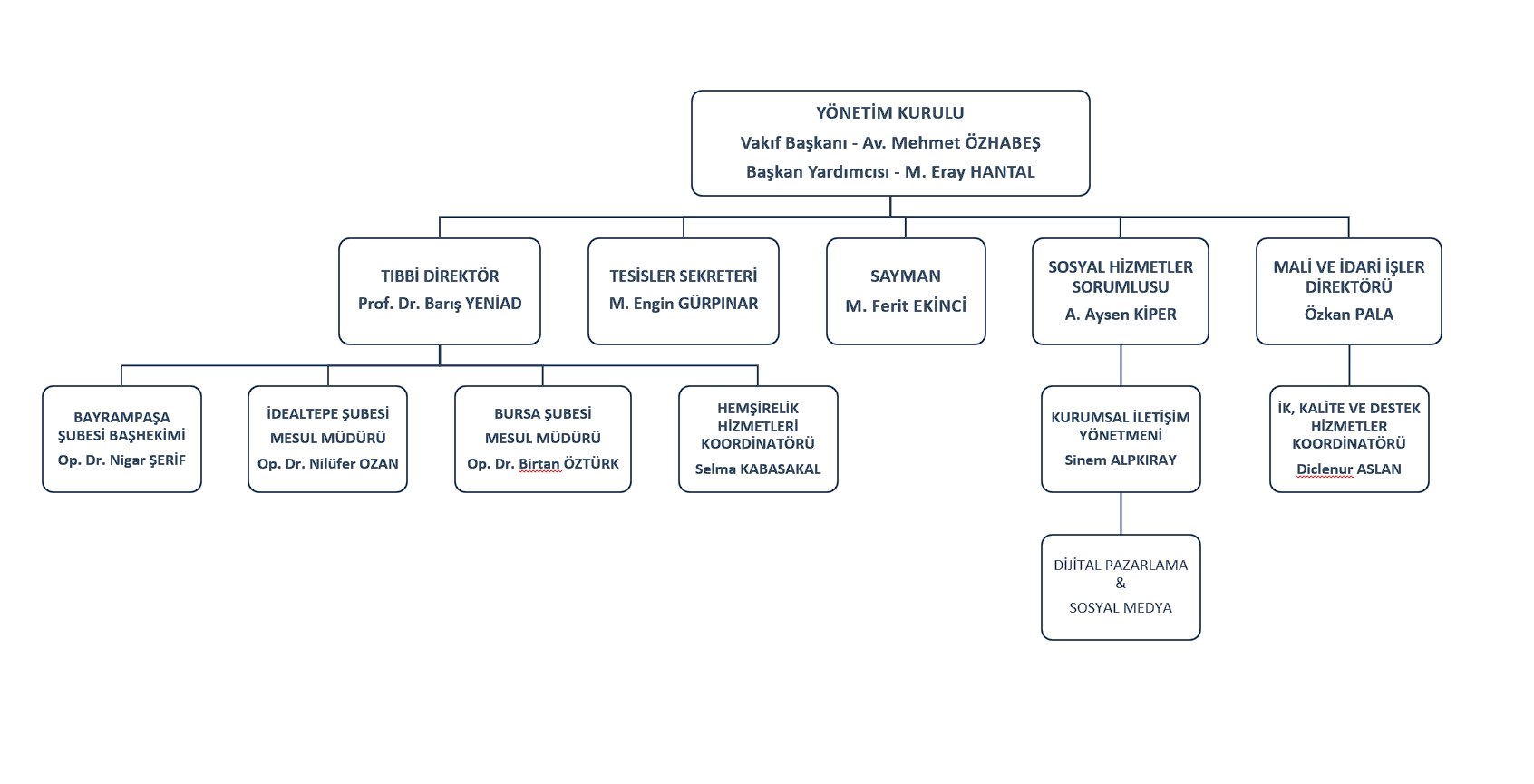
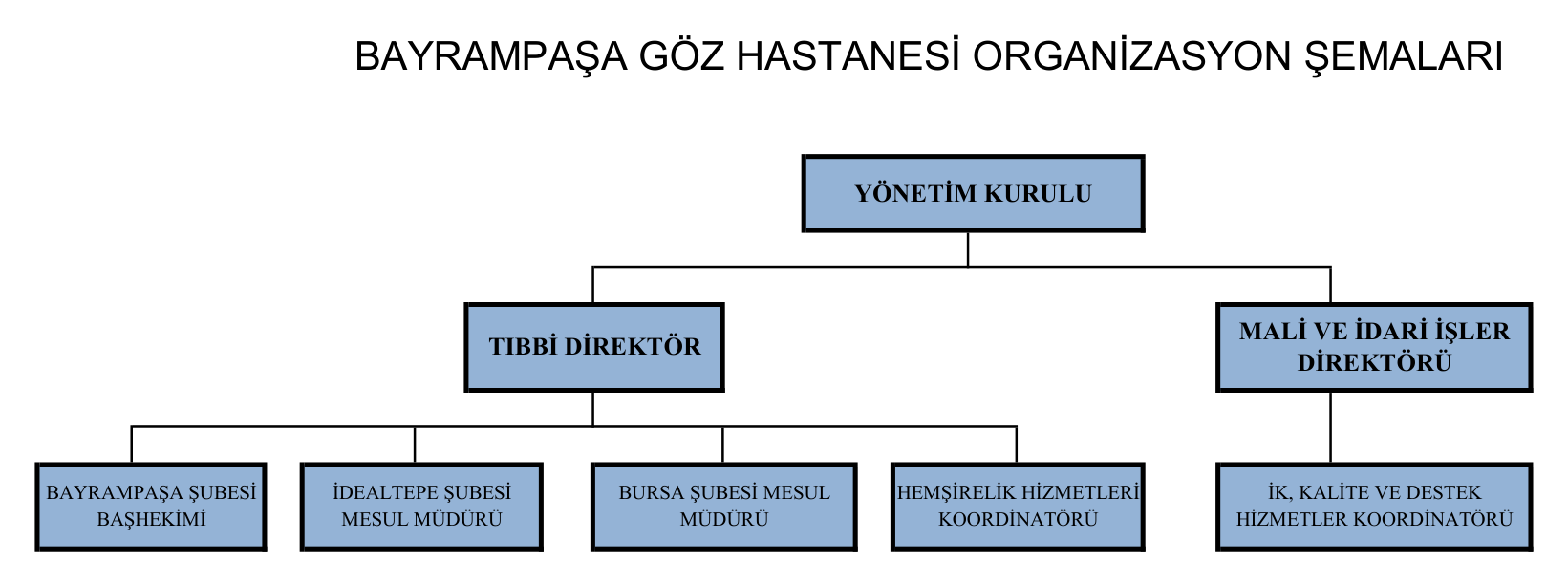
Our organisational chart covers the following institutional levels:
- Governing Bodies of the Foundation for the Protection of Sight
- Hospitals Board of Directors
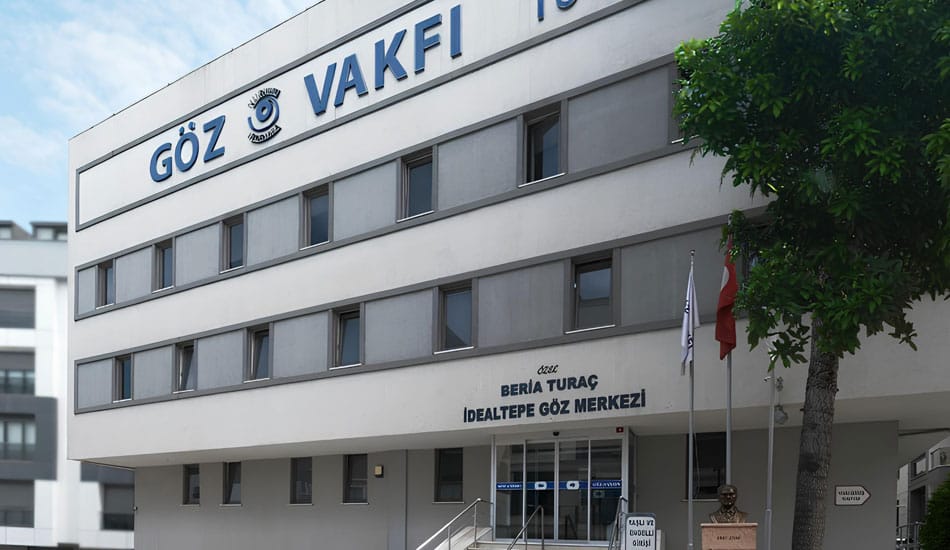
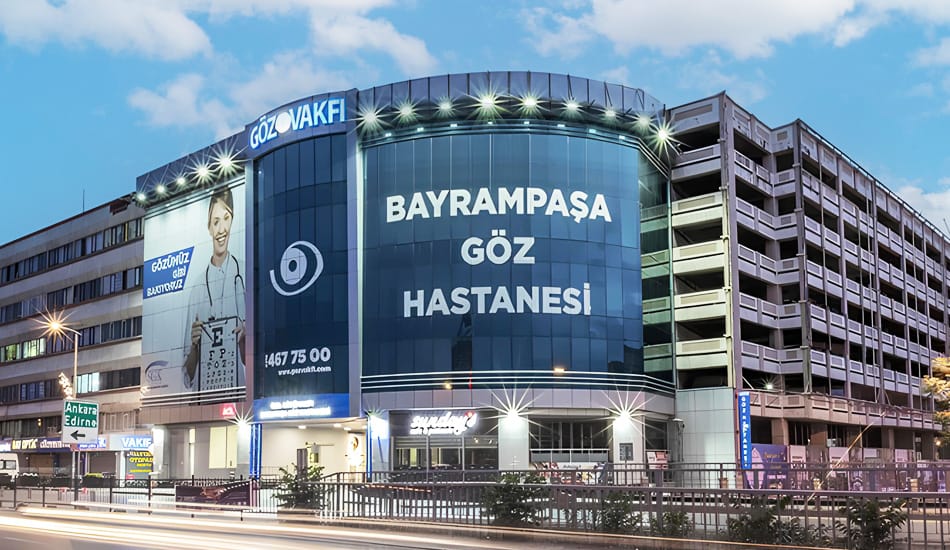
- Bayrampaşa Eye Hospital
- İdealtepe Eye Centre
- Bursa Nilüfer Eye Centre
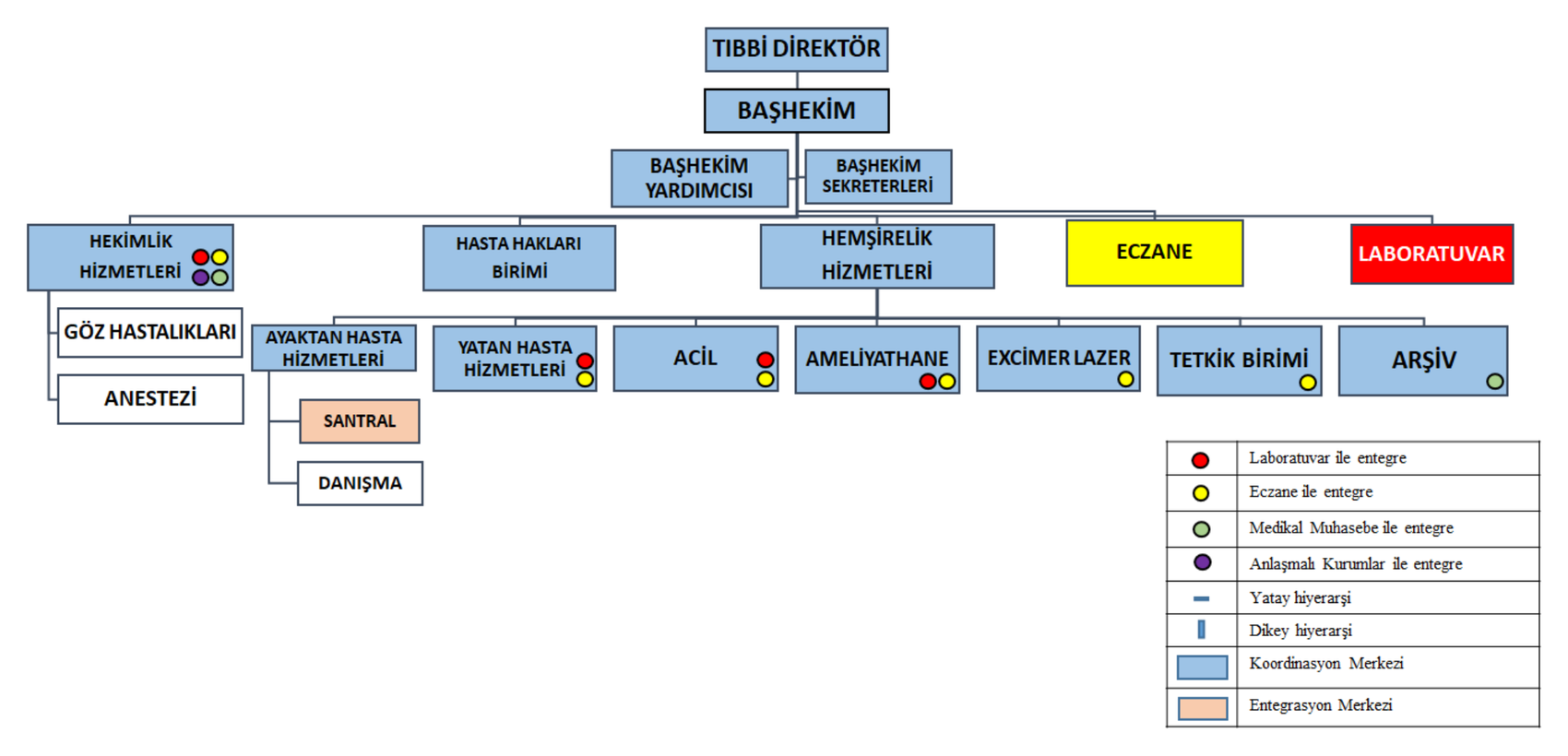
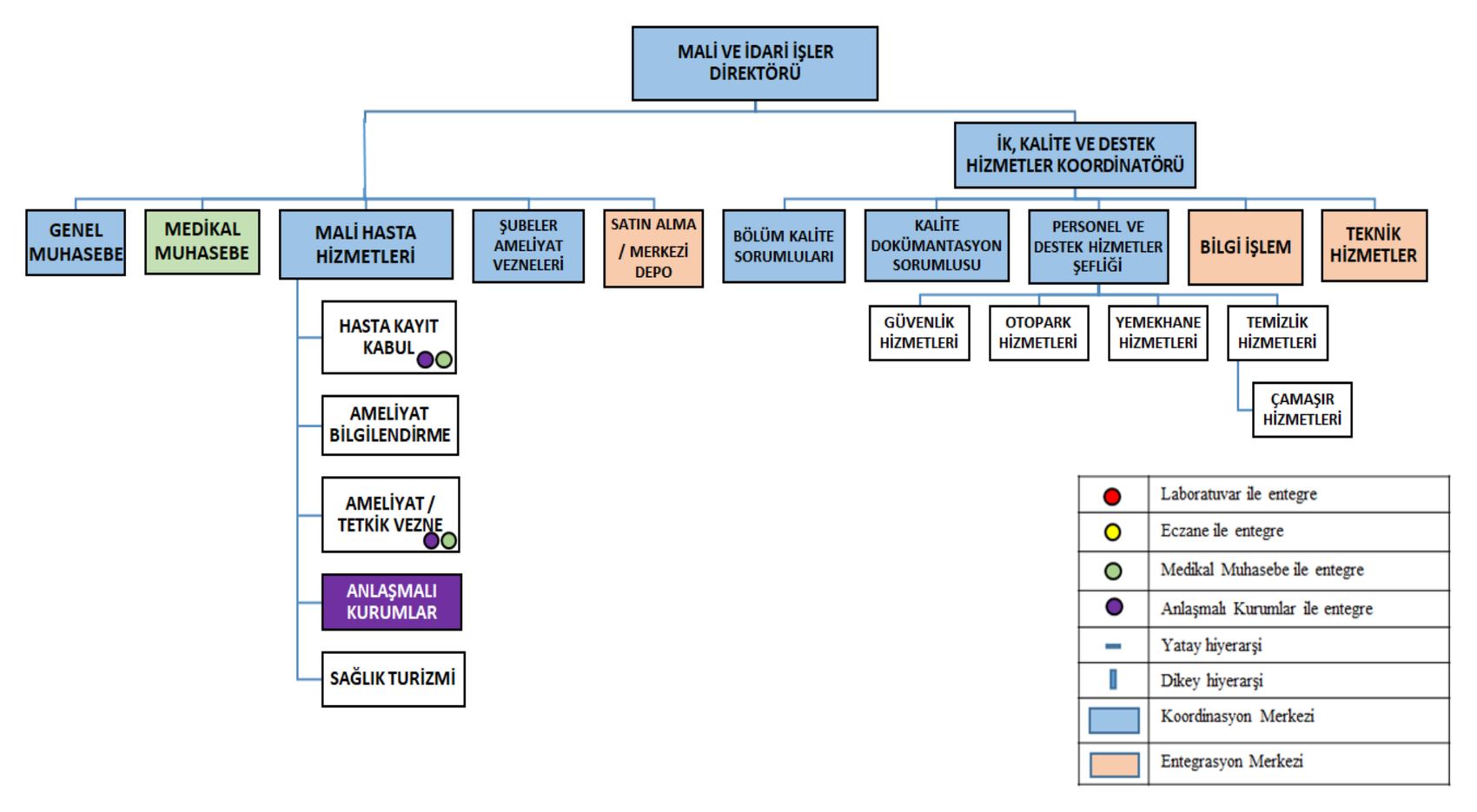
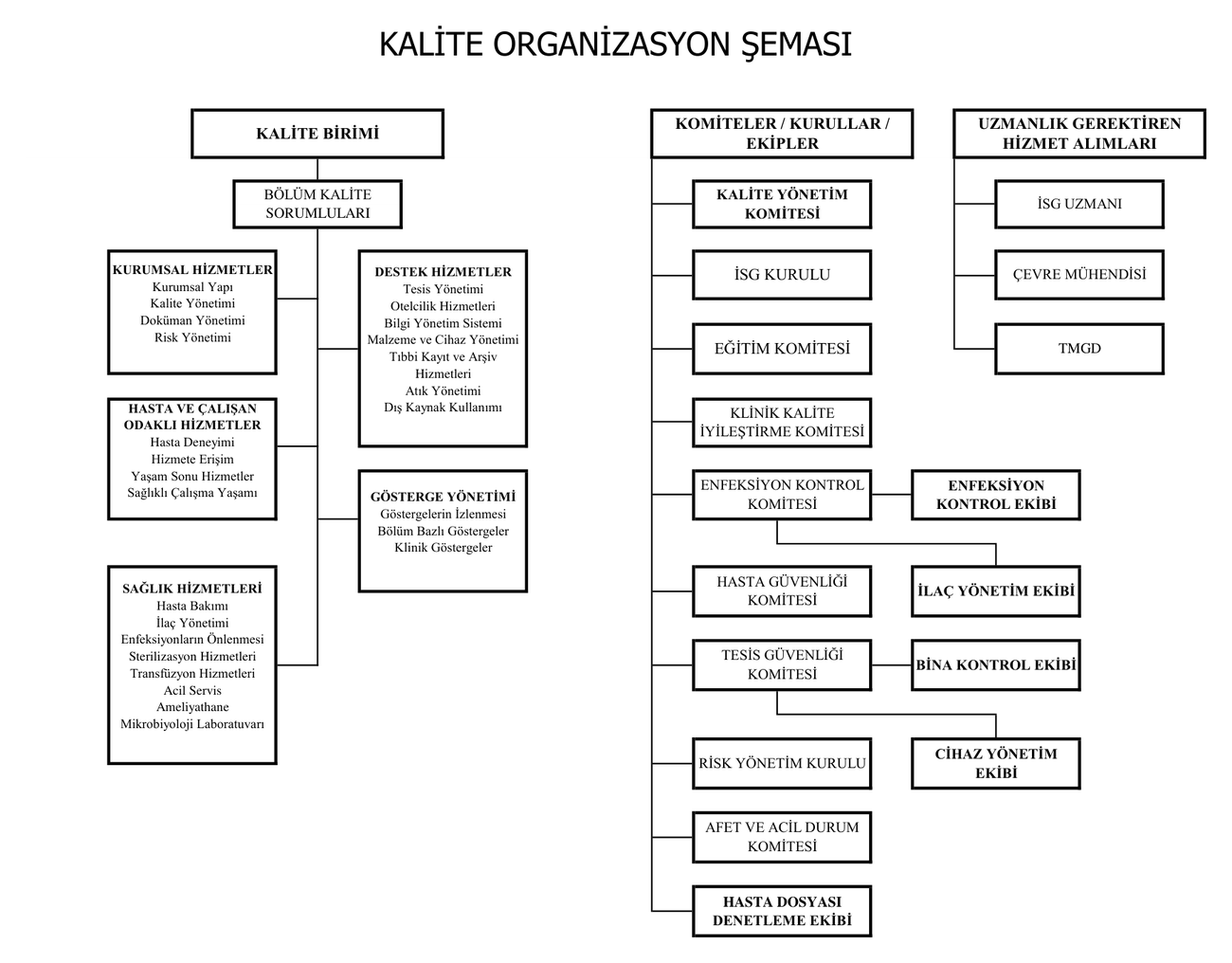
Our Organisational Charts
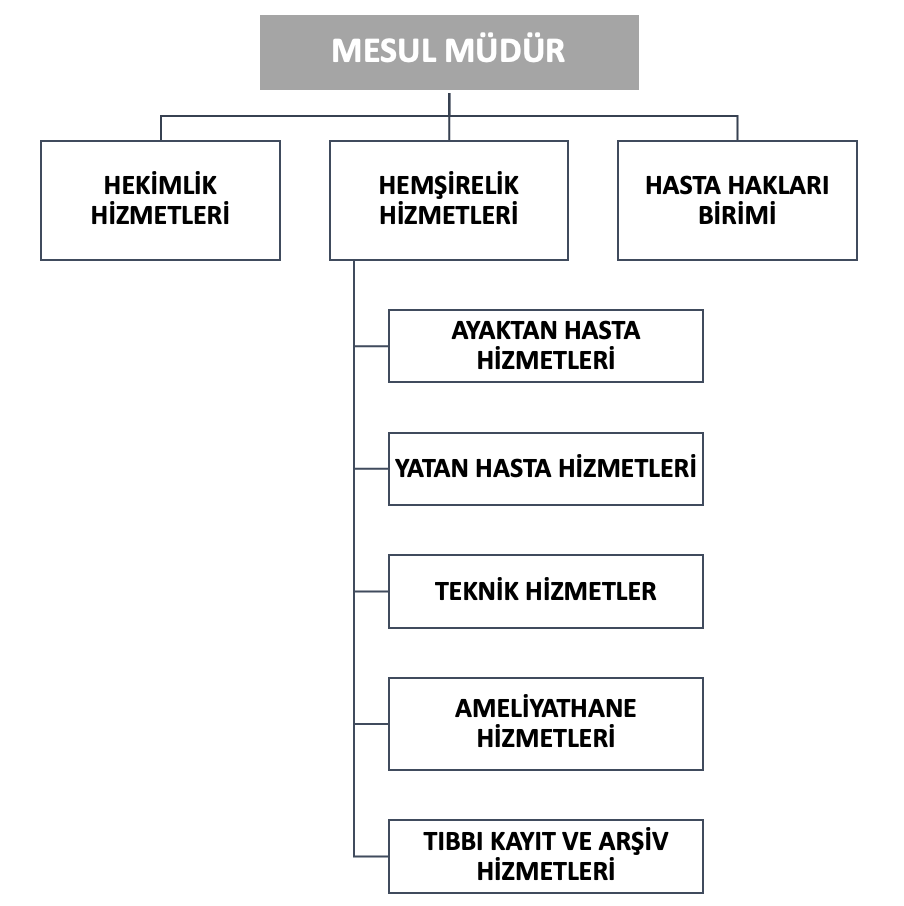
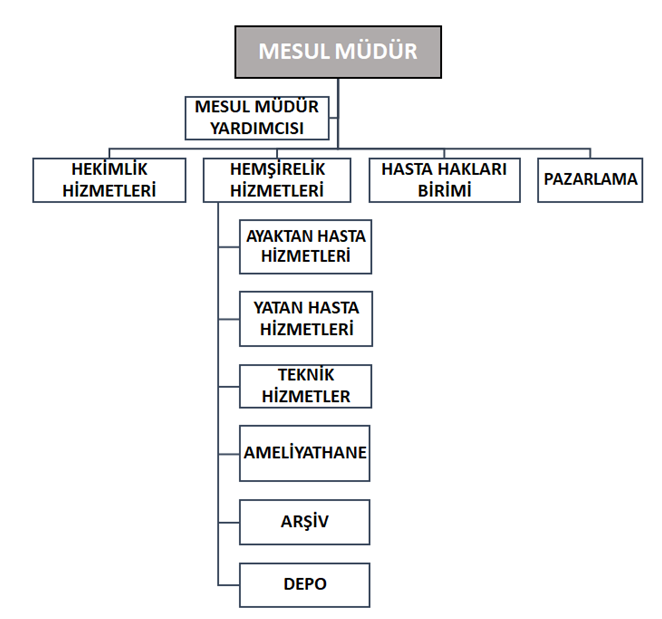
COMMITTEE STRUCTURE
Our Committees and Their Responsibilities
We coordinate our quality and patient-safety activities under a structure of 13 principal committees. Their core responsibilities are set out below.
- Quality CommitteeComposed of all unit quality officers and senior managers. Responsible for analysing and improving the quality activities carried out within the institution, and for monitoring and implementing innovations.
- Patient Safety CommitteeIdentifies relevant risks and establishes a patient-safety programme covering all systems. Its aims are to prevent errors, ensure that any errors that do occur do not affect patients, mitigate their effects and prevent recurrence.
- Occupational Health and Safety BoardResponsible for identifying staff-safety risks and establishing a comprehensive employee-safety programme. Carries out work on improving safety, preventing errors and ongoing improvement.
- Patient Rights BoardResponsible for protecting the rights of patients who seek eye-care services. Its remit covers patient satisfaction and the analysis, management and resolution of suggestions and complaints.
- Facility Safety CommitteeResponsible for ensuring the safety of hospital staff and patients, taking precautions against hazards, and developing plans and programmes for crisis situations. The Building Tour Team operates under this committee.
- Training CommitteeResponsible for ensuring that personal and professional development training for staff and patients — in line with the institution’s policies, regulations and directives — is delivered in a scientific and ethical manner.
- Clinical Quality Improvement CommitteeMonitors, evaluates and coordinates implementation within the framework of the “Türkiye Clinical Quality Measurement and Evaluation System”.
- Disaster and Emergency Management CommitteeActs within the scope of the Hospital Disaster and Emergency Plans Implementation Regulation. Prepares for disasters and emergencies, and is responsible for ensuring that the institution can operate independently during the first 72 hours.
- Disposal CommitteeResponsible for classifying materials no longer requiring preservation, preventing the storage of archival documents that need not be retained, increasing institutional efficiency and reducing archive costs.
- Human Resources CommitteeSets HR policies and strategies; evaluates the opinions, suggestions and complaints of staff; and prepares improvement plans. Plans recruitment, performance appraisals and motivational activities.
- Infection Control Committee and Sub-TeamsThe supreme decision-making body for infection control in the hospital. Responsible for controlling and limiting hospital-associated infections and putting in place the necessary measures. Sub-teams: Infection Control Team and Medication Management Team.
- Risk Management BoardCarries out risk analysis on all matters within the Risk Management chapter of the Quality Standards in Healthcare, and plans and monitors improvement activities.
- Personal Data Protection CommitteeManages the personal-data protection system within the institution and ensures compliance with the legislation relating to the Personal Data Protection Law (KVKK). It is accountable to the Eye Foundation’s Board of Directors.