
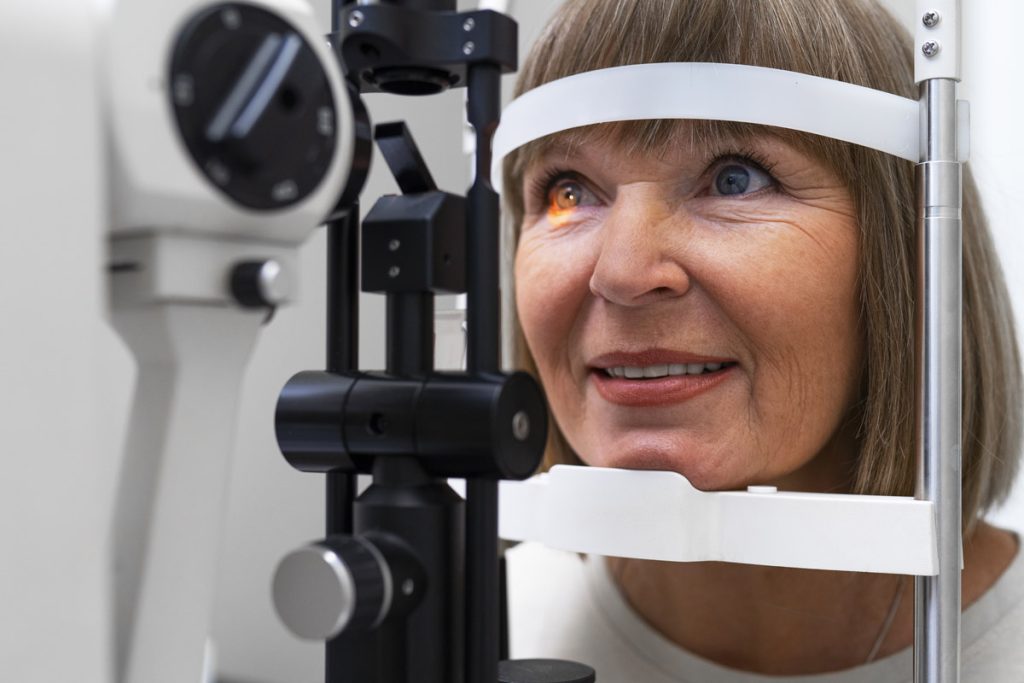
Glaucoma — known in everyday language as “eye pressure” — is a common, insidiously progressing disease that often gives no symptoms. In glaucoma, the pressure of the fluid inside the eye damages the optic nerve, progresses gradually and causes permanent vision loss. It may affect both eyes, but it may also occur in only one eye. Although it is most often seen in patients over the age of 40, it can be encountered at any age. For this reason, annual eye check-ups are important.
Most patients do not have noticeable symptoms. Headache, occasional blurred vision, halos around lights and — rarely — eye pain may be described. A family history of glaucoma, diabetes, myopia and long-term corticosteroid treatment increase the likelihood of developing glaucoma. The diagnosis is made through the raised intraocular pressure detected during a routine eye examination.
Glaucoma — through high intraocular pressure — damages the optic nerve, gradually narrows the visual field and reduces vision. If left untreated, it can lead to blindness. Once a diagnosis has been made, the disease can be brought under control with appropriate treatment and vision loss can be prevented. For this reason, the early diagnosis and treatment of glaucoma — bringing it under control — is important. Annual eye examinations are therefore recommended even in the absence of any complaints.
Prepared by the Editorial Board of the Eye Foundation Hospitals.