
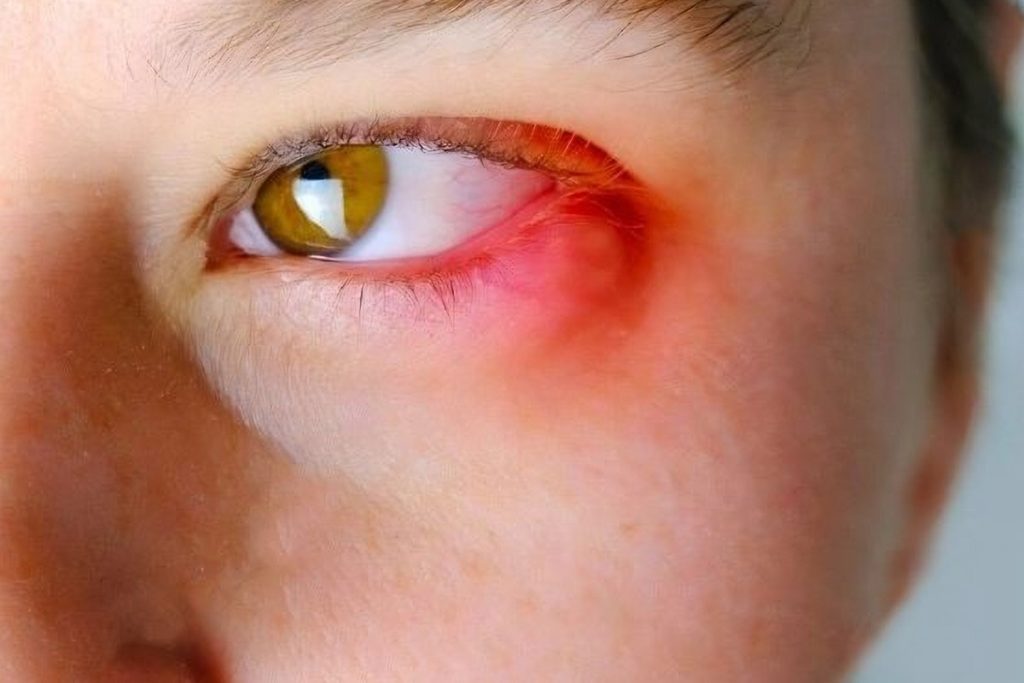
Blepharitis, the inflammation of the eyelash bases, is one of the most common eyelid diseases. Blepharitis is a chronic condition characterised by redness, itching and eyelash loss. Skin conditions and bacterial infections are among the most common causes.
In skin conditions that disrupt the structure of the skin and cause dryness — such as acne rosacea, eczema and atopic dermatitis — the function of the oil glands located at the base of the eyelashes is disturbed. In addition, various bacterial infections disrupt the skin flora, causing the proliferation of mites called Demodex, which are part of our normal flora, and lead to blepharitis.
Patients with blepharitis present to the eye clinic with complaints of severe itching, redness in the eye and loss of eyelashes. Along with blepharitis, patients frequently develop styes (chalazia) due to blockage of the oil glands. Because blepharitis is a chronic condition, there may be periods of more pronounced and less pronounced complaints.
How Is It Treated?
The most important method in the treatment of blepharitis is eyelash hygiene. For this, patients are asked to clean the bases of the eyelashes using a special solution and wipes. They are also asked not to use make-up products, soaps and alcohol-based solutions that may disrupt the skin’s pH. Another simple method for ensuring eyelash hygiene is washing the eyelashes with baby shampoo.
A stye may develop in the upper or lower eyelid as a result of eyelash inflammation. In such cases, the stye is treated with various medications. In some cases the stye does not resolve and turns into a cystic structure called a chalazion. The treatment of a chalazion cannot be carried out with medication, and surgical intervention is recommended.
Prepared by the Editorial Board of the Eye Foundation Hospitals.