Aesthetic Surgery of the Eye
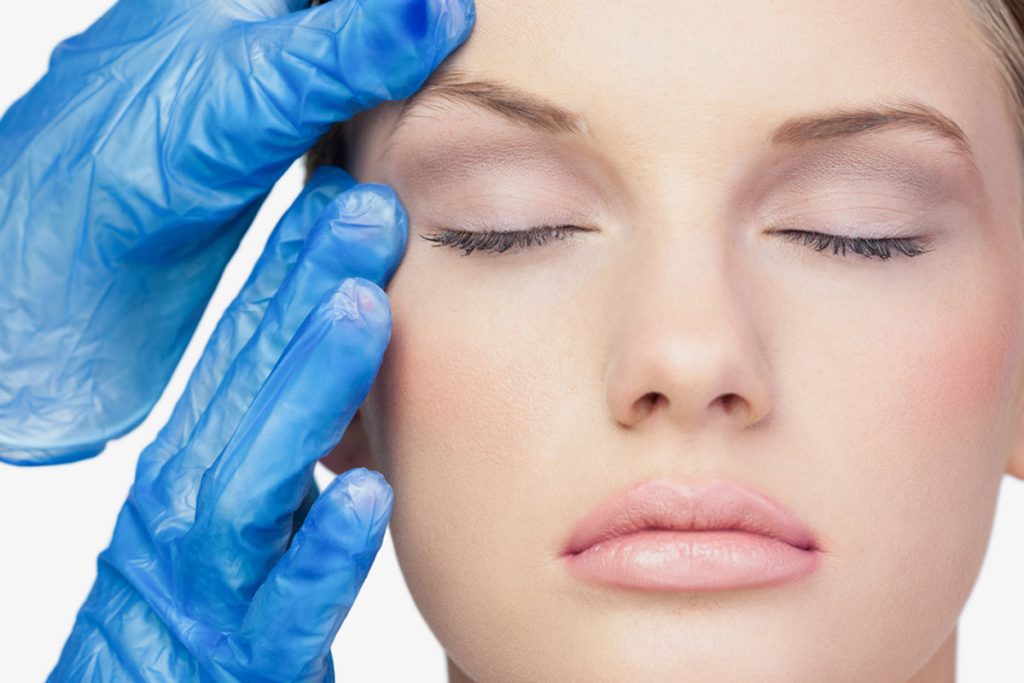
The appearance of the area around the eyes is one of the most important regions for a person’s image. Changes in this region — such as asymmetry, wrinkles, bagging and sagging — can be corrected surgically to give the person a younger and healthier appearance. In mild cases, dermal fillers can also help us in this respect without the need for surgery.
Can Under-Eye Bags Be Treated?
Today, bags under the eye that develop structurally or with age can be removed with aesthetic surgery, providing a younger and healthier appearance.
What Is Drooping Eyelid? Who Is It Seen In? Is There Treatment?
Drooping eyelid (ptosis) is the downward displacement of the upper eyelid. It may be present from birth, or it can occur as a result of injuries or ageing. Rarely, it can be a sign of certain nerve and muscle diseases. The cause of ptosis is that the muscle that lifts the eyelid is underactive or does not work at all. The form of surgery also varies according to the level of muscle activity. Today, eyelid-drooping surgeries can also be performed in babies and children.
What Are the Other Eyelid Deformities?
Entropion is the inward turning of the eyelid. It is most often seen due to ageing. It can also occur as a result of injuries, excessive contraction of the lower eyelid, or from birth. Because the lashes turn towards the eye, irritation causes stinging, watering and corneal erosion. Ectropion is the outward turning of the eyelid. It occurs as a result of old age, paralysis, allergic reactions, tissue contraction following injuries and, rarely, from birth. Because the eyelid cannot close, the eye dries out and, in advanced cases, sores develop. Treatment is surgical. In the eyelid deformity called xanthelasma, yellow plaques are seen particularly on the upper eyelids. These patients should be investigated for diabetes and cholesterol.
What Is Tear-Duct Obstruction?
The function of tears is to keep the eye moist, provide the necessary lubrication and clean away foreign matter inside the eye. Tears drain to the nose via the tear duct. The tear-duct system begins with an opening (punctum) and small canal in each of the lower and upper eyelids, leads to the tear sac, and then opens into the nose via a thin channel. The most important condition affecting this system is tear-duct obstruction. The principal symptoms are constant watering of the eye, discharge, redness and sometimes a painful swelling in the region of the sac (at the bridge of the nose). Duct obstruction may be present from birth or may develop in later years. In babies, the tear duct, which is closed at birth, opens spontaneously within the first month. When the opening is delayed, complaints such as watering and discharge occur.
How Is Duct Obstruction Treated?
In duct obstruction seen in babies, if the massage recommended by the doctor is not sufficient, the duct is opened with a probe under general anaesthesia. The only treatment method for duct obstruction in adults is surgery. In recent years, in the USA and various European countries — and also in our country — duct-obstruction operations are also being performed with LASER. This method uses diode-laser systems at a wavelength of 980 nm. In laser surgery, without making an incision through the skin, the tear sac is reached through the upper end of the duct called the punctum, and using high-energy laser the nasal bone and mucosa are removed in a short time and a new channel is created. In recent years, LASER duct-obstruction surgery has also been carried out at our hospital, in addition to in the USA and various European countries. This method uses diode-laser systems at a wavelength of 980 nm.
Eyelid Tumours
Remember that with surgical procedures you can be completely free of eyelid tumours.
The Eye in Facial Paralysis
In facial paralysis, the eyelids cannot open and close normally and cannot protect the eye properly. In this case, various eyelid surgeries are performed — depending on the severity of the paralysis — both to protect the eye and to achieve a more aesthetic appearance.
A non-seeing eye may need to be removed for reasons such as infection, glaucoma, severe pain or a tumour. In such cases, an ocular prosthesis is fitted to remedy the resulting deformity. For a better aesthetic appearance, mobile prosthetic applications are now performed. The eye colour is matched to the colour of the healthy eye so that the difference between the two eyes is not noticeable.
What Are the Problems Faced by Those Who Wear Ocular Prostheses?
In those who have worn a prosthesis for many years, a number of problems may arise — such as sagging of the lower eyelid, hollowing of the eye, narrowing of the socket, drooping of the eyelid and inward turning. Did you know that these problems can also be corrected surgically and a more natural appearance can be achieved?
You can contact our hospital for any matter regarding eye health, obtain detailed information about your eye problems and learn about the treatment process.
Prepared by the Editorial Board of the Eye Foundation Hospitals.